The Hidden Brain Risk During Surgery
Introduction
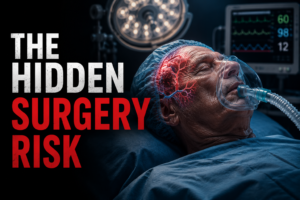
Most people think the biggest risks of surgery are the operation itself, infection, or physical recovery. But many patients report something more subtle afterward. They say they never quite feel mentally the same again.
Some experience brain fog, memory problems, slower thinking, confusion, or difficulty concentrating after surgery. Modern medicine often explains this through inflammation, anesthesia drugs, age-related vulnerability, or stress on the body. These factors likely matter.
But there may be another overlooked physiological factor involved: carbon dioxide.
Why Carbon Dioxide Matters More Than Most People Realize
Carbon dioxide is often treated as nothing more than a waste gas. In reality, it plays a major role in regulating blood flow and oxygen delivery throughout the body, especially in the brain.
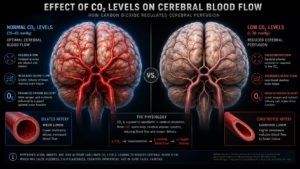
During surgery, patients are frequently placed on mechanical ventilation while under anesthesia. Historically, many patients were ventilated aggressively, which can lower carbon dioxide levels too much through over-breathing.
When carbon dioxide levels fall, blood vessels in the brain constrict. This reduces cerebral blood flow, sometimes significantly.
A patient may still show excellent oxygen saturation on the monitor while the brain itself receives less blood flow and less oxygen delivery.
This creates a surprising paradox. Oxygen can be present in the blood while oxygen delivery to tissues is actually impaired.
The Brain Depends on Both Oxygen and CO₂
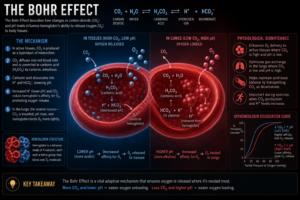
Carbon dioxide also influences how oxygen is released from hemoglobin into tissues through something called the Bohr Effect.
When CO₂ levels are healthy, oxygen is released more easily where it is needed. But when CO₂ levels drop too low, hemoglobin can hold onto oxygen more tightly, making oxygen delivery less efficient.
This means a patient can have plenty of oxygen circulating in the bloodstream while the tissues themselves receive less usable oxygen.
In vulnerable brain regions such as the hippocampus and frontal cortex, this may become especially important.
Oxidative Stress and Brain Vulnerability
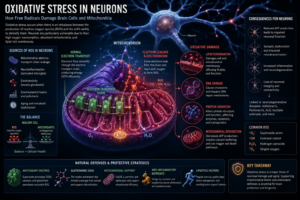
Surgery places the body under multiple forms of stress at once. Patients may be exposed to high oxygen concentrations, anesthesia, immobility, and altered metabolism.
Excess oxygen exposure can increase oxidative stress and reactive oxygen species inside cells. The brain is particularly vulnerable because it has extremely high energy demands and depends on constant blood flow.
When low CO₂, reduced blood flow, and oxidative stress occur together, the combination may place additional strain on delicate brain tissue.
Why Elderly Patients May Be More Vulnerable
Older individuals generally produce less carbon dioxide metabolically and often have reduced vascular flexibility compared to younger people.
This may make them more sensitive to aggressive ventilation and reductions in cerebral blood flow during surgery.
Modern anesthesiology is increasingly recognizing that excessive hypocapnia, meaning abnormally low CO₂, may contribute to poorer neurological outcomes in some patients.
This does not mean anesthesia is unsafe or that surgeons are harming patients. Modern anesthesia saves lives every day. But it does suggest that carbon dioxide physiology deserves far more attention than it has historically received.
Conclusion
The body does not simply need oxygen present in the bloodstream. It needs oxygen delivered effectively into tissues.
Carbon dioxide plays a central role in making that happen.
As research continues to evolve, it may become increasingly clear that one of the most overlooked molecules in medicine is also one of the most important for protecting brain function and recovery after surgery.
[Insert Image Here: “Oxygen Present ≠ Oxygen Delivered” infographic]
Learn more at THECARBONATEDBODY.COM