Disease is not a beginning. It is a consequence.
Someone you love starts to move a little slower. Their handwriting gets smaller. One hand develops a faint tremor, even at rest. Eventually a doctor says the word, Parkinson’s, and almost immediately the entire conversation narrows to a single molecule: dopamine.
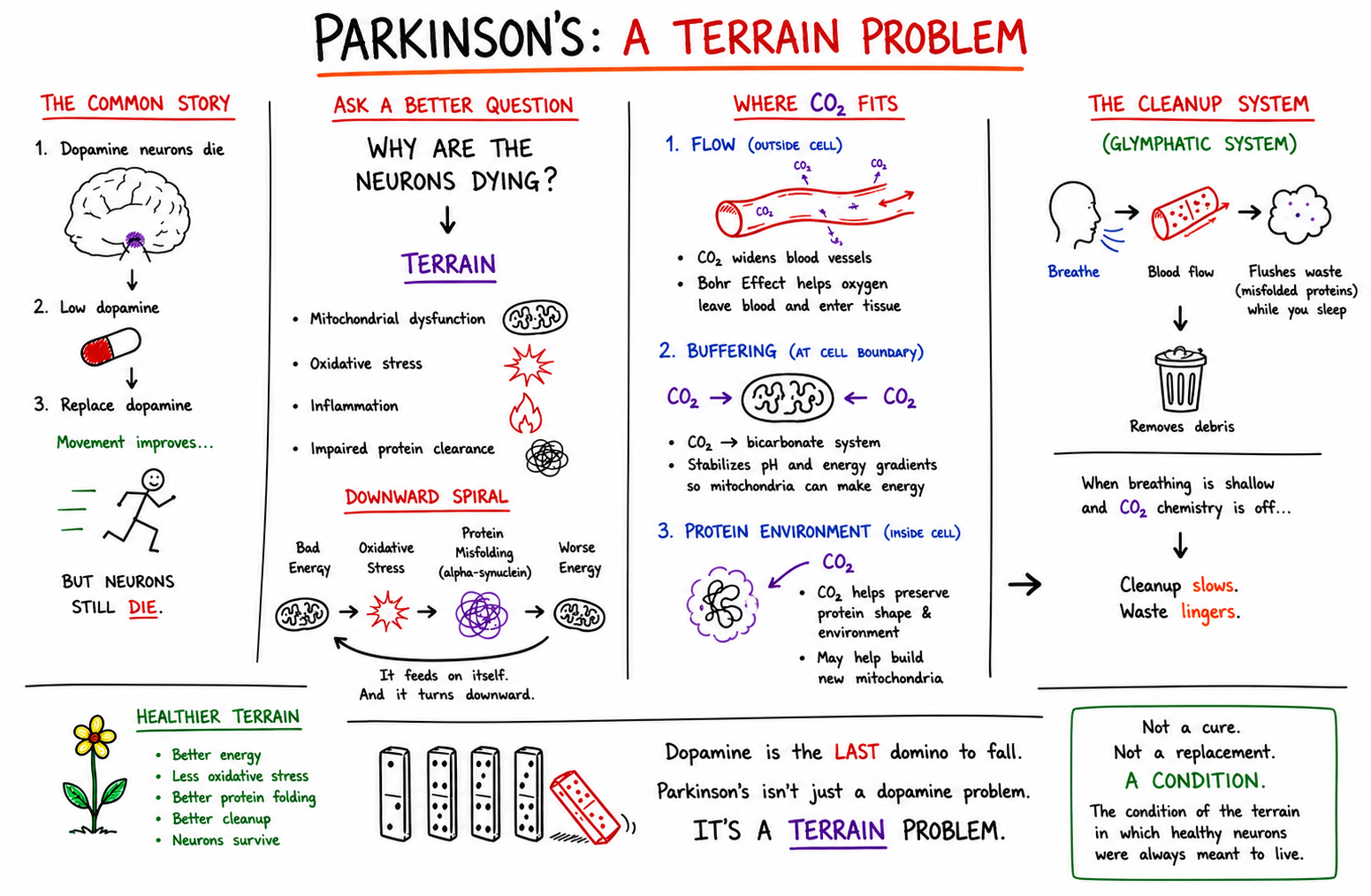
The story becomes simple. The brain isn’t making enough dopamine, so we replace it. And it helps, for a while. But there is a question almost no one stops to ask. Why did those dopamine neurons start dying in the first place?
That question is the whole point of this article. Because a neuron does not simply decide to fail. It fails inside an environment. And once you start looking at that environment, Parkinson’s stops looking like a shortage of one chemical and starts looking like something else entirely: a slow breakdown of the conditions those neurons need to survive.
Where the standard model stops
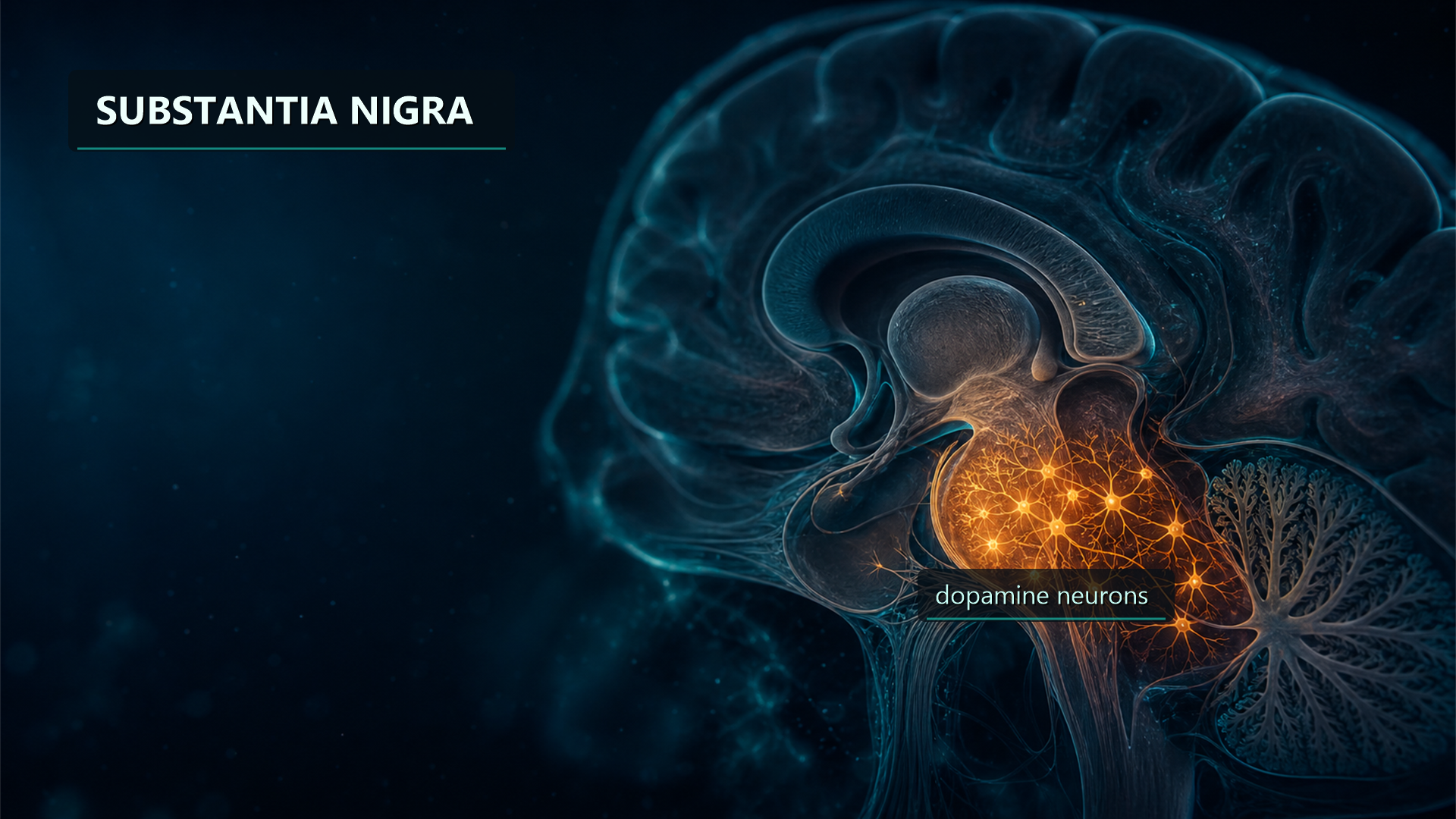
Parkinson’s involves the loss of dopamine-producing neurons in a region of the brain called the substantia nigra. Replace the dopamine and movement improves. That is real, and it matters. Please hear this clearly: Parkinson’s is a serious neurological disease with genuine genetic and environmental causes, and nothing here is a treatment or a cure. If you or someone you love is facing this, proper medical care comes first.
But notice what the dopamine model quietly assumes. It assumes the shortage is the beginning of the story. If that were true, replacing the dopamine would stop the disease. It doesn’t. The neurons keep dying and the disease keeps progressing. That single fact tells us the shortage is not the cause. It is a symptom of something happening further upstream.
The garden and the soil

Picture a garden where the plants are wilting. You could focus entirely on the plants themselves, propping them up and tying them to stakes. Or you could ask a deeper question. What happened to the soil? Is water reaching the roots? Are the nutrients still there? Has the ground turned toxic?
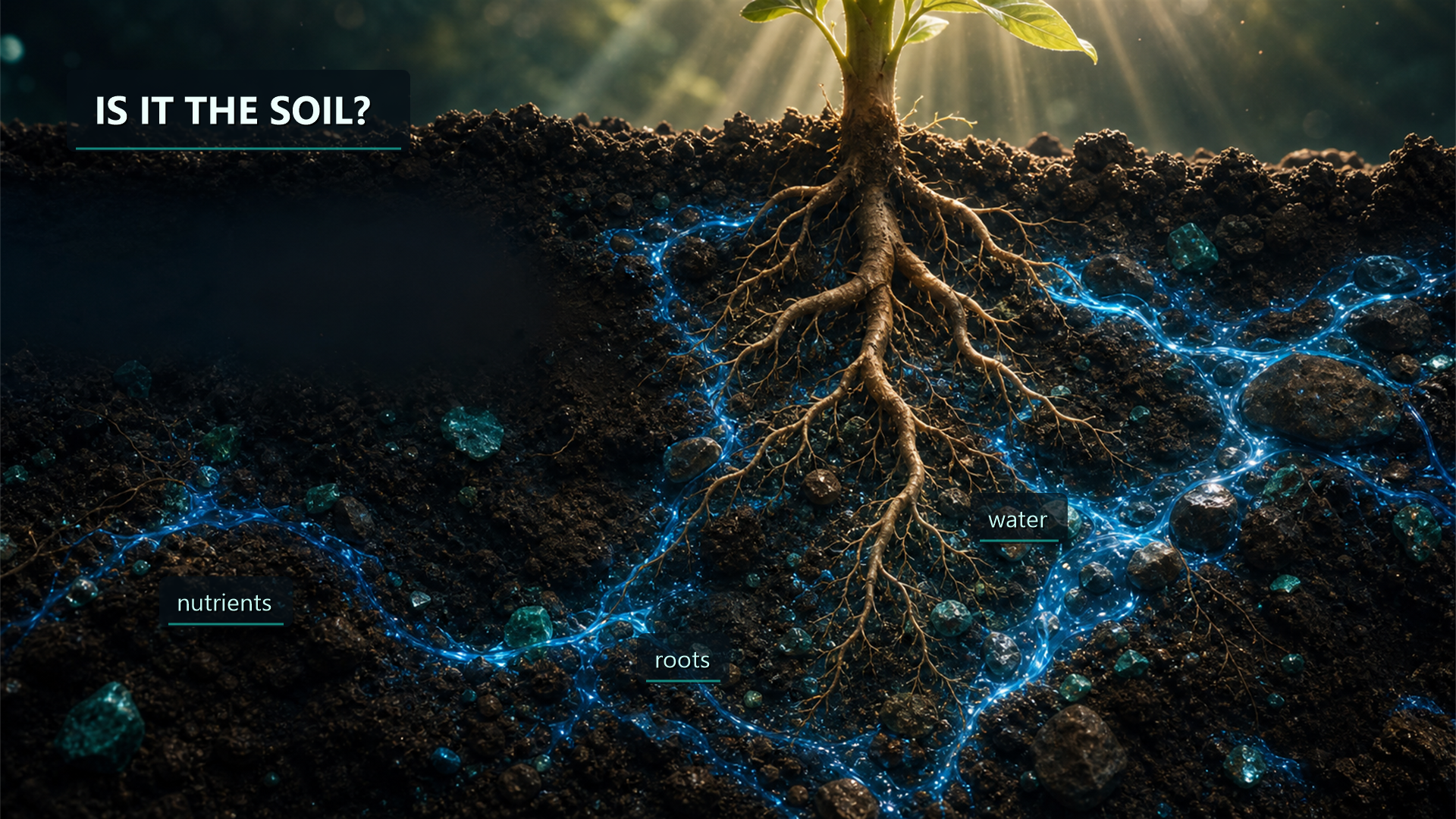
The plant did not wilt in isolation. It wilted inside its environment. Your neurons are exactly the same. They live in a terrain, a chemical, electrical, and fluid environment, and when that terrain breaks down, the neurons are the first casualties. Not the cause. The consequence.
The terrain researchers keep describing
Parkinson’s does not develop in a neutral terrain. It develops in a very specific kind of environment, and researchers keep describing it with the same handful of words: mitochondrial dysfunction, oxidative stress, inflammation, and impaired protein clearance. These are not really four separate problems. They are one problem feeding itself.
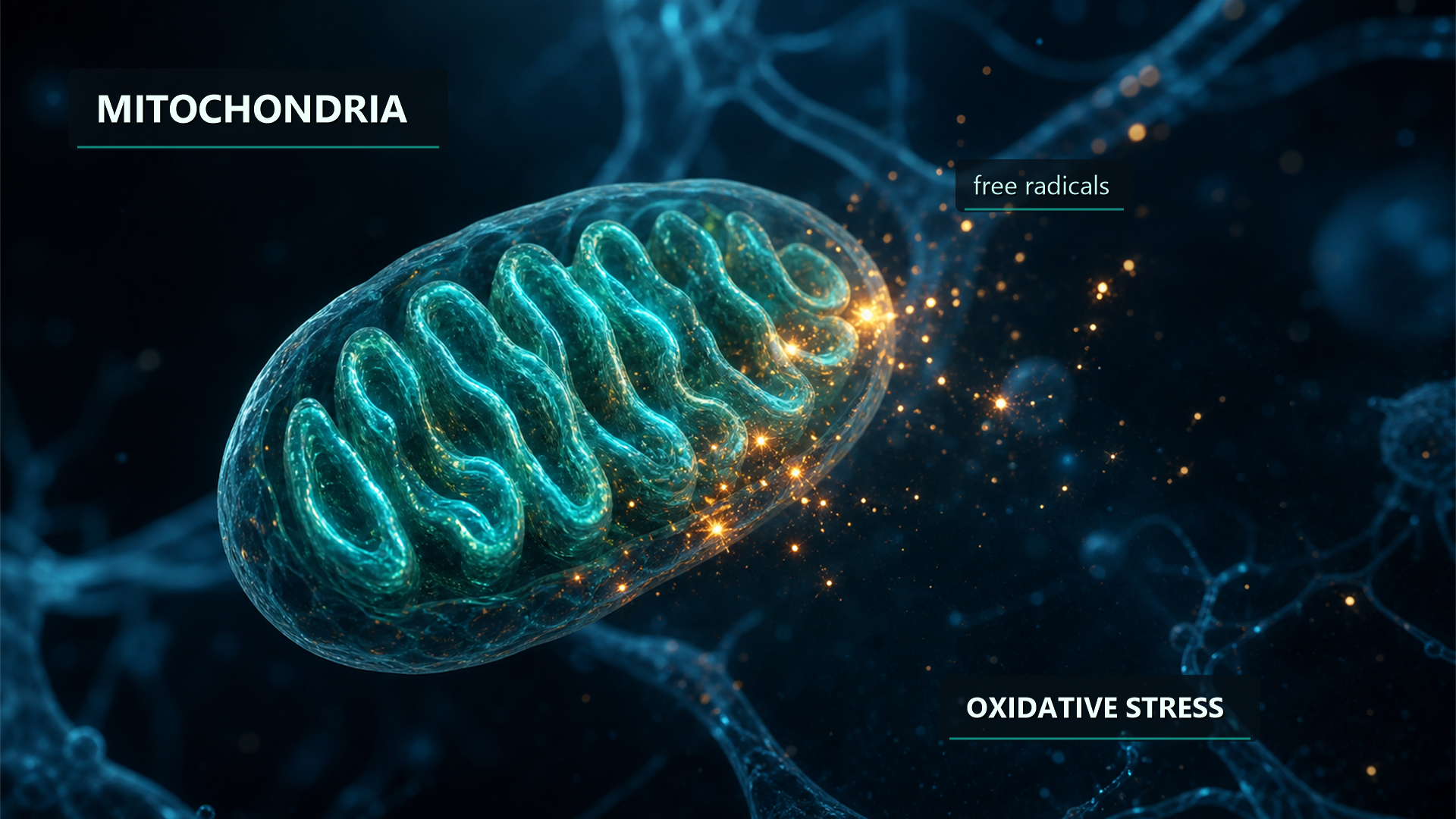
Start with the mitochondria, the tiny engines inside every neuron. When those engines run inefficiently, they leak damaging molecules called free radicals. That is oxidative stress, and it does something specific: it damages proteins. One protein matters enormously here. It is called alpha-synuclein.
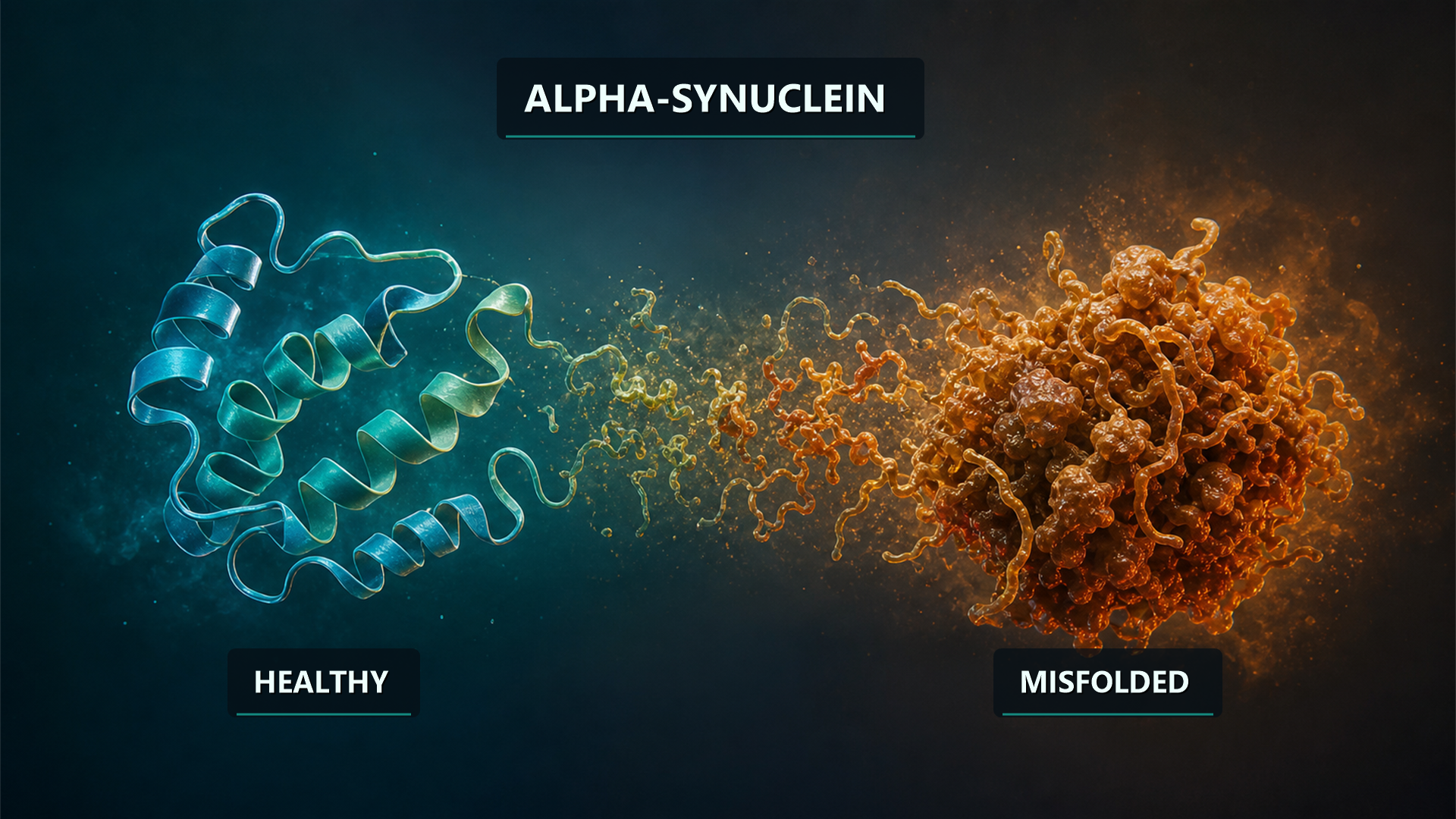
In a healthy brain, alpha-synuclein folds into a precise shape and does its job. In Parkinson’s, it misfolds, collapsing into a clumped, sticky form that builds up into the deposits we find in the Parkinson’s brain. Here is the part that changes everything. Alpha-synuclein does not misfold in a vacuum. Proteins fold according to the environment around them. When that environment turns acidic, oxidized, and starved of energy, misfolding becomes far more likely. And those misfolded clumps stress the mitochondria even more. Bad energy leads to damage. Damage leads to misfolding. Misfolding leads to worse energy. It is a spiral, and it turns downward.
Where carbon dioxide fits
So where does carbon dioxide come into any of this? Carefully. CO2 is not a Parkinson’s treatment, and it has never been shown to reverse the disease. But if the real question is what maintains the environment those neurons live in, then CO2 becomes genuinely interesting, because it works on that terrain at three levels.
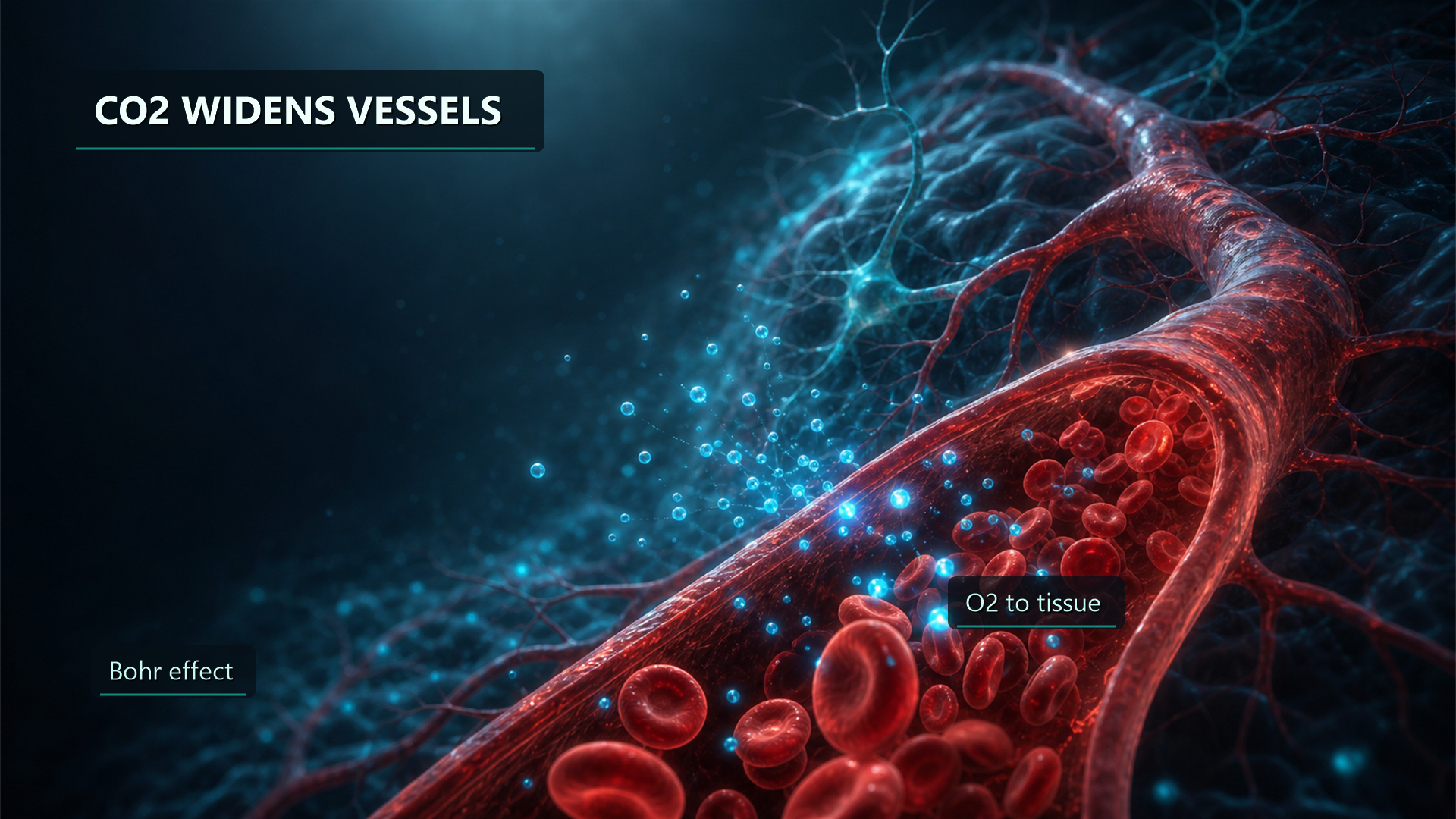
The first level is flow. CO2 is one of the most powerful regulators of blood flow in the brain. It widens blood vessels, and through the Bohr Effect it helps oxygen actually leave the bloodstream and enter the tissue. This is the difference that most conversations miss. Oxygen in the blood is not the same as oxygen in the neuron. Supply is not delivery. You can have a bloodstream full of oxygen and cells that are still starving, because having something is not the same as being able to use it. CO2 is part of what turns supply into delivery.
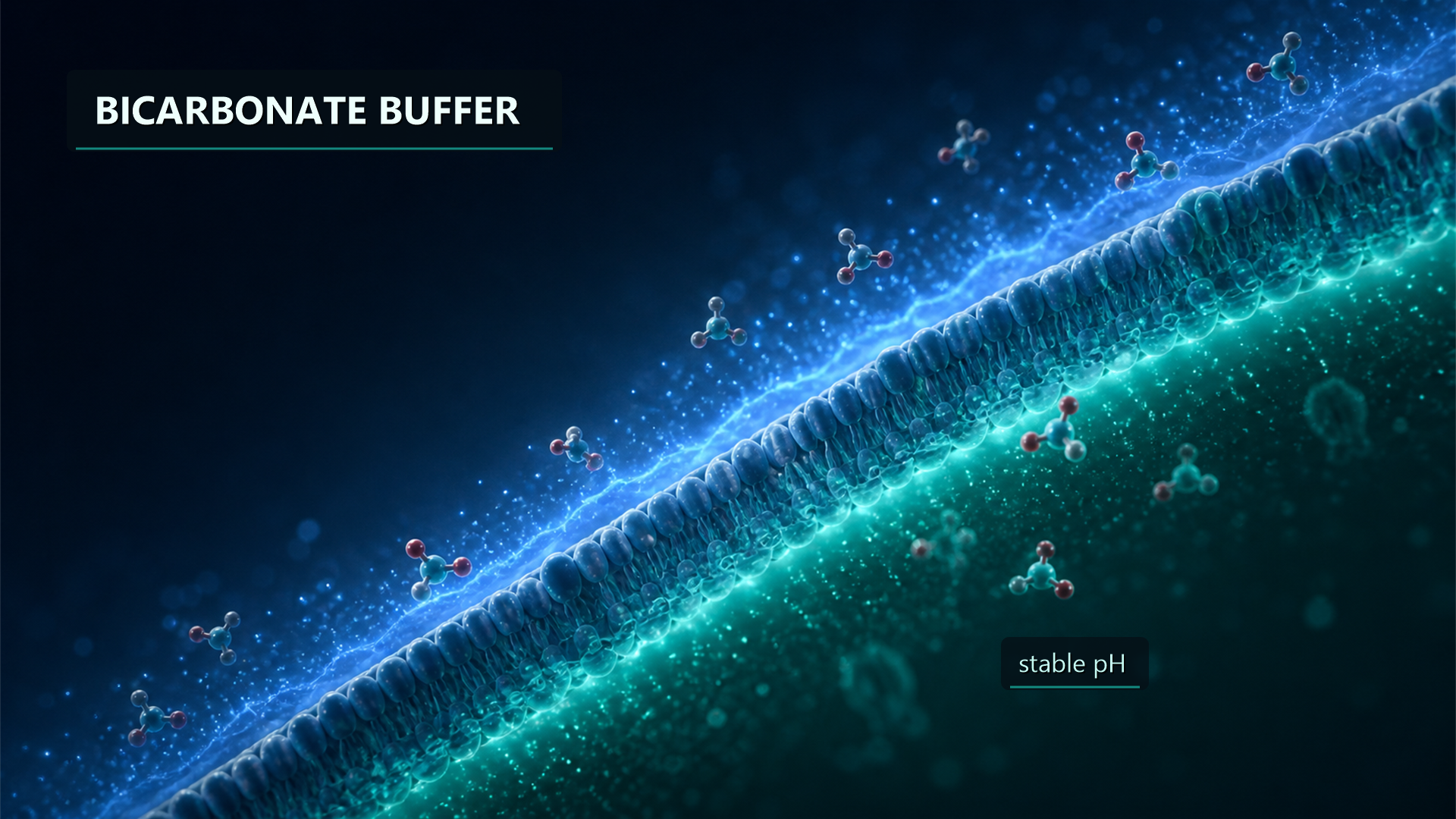
The second level is buffering, right at the boundary of the cell. CO2 is the foundation of the bicarbonate system, the body’s main tool for controlling pH. And mitochondria do not simply burn fuel. They run on gradients, tiny and precise differences in charge and acidity across a membrane. Buffering is what keeps those gradients stable, holding the exact chemical conditions that let energy production keep running.
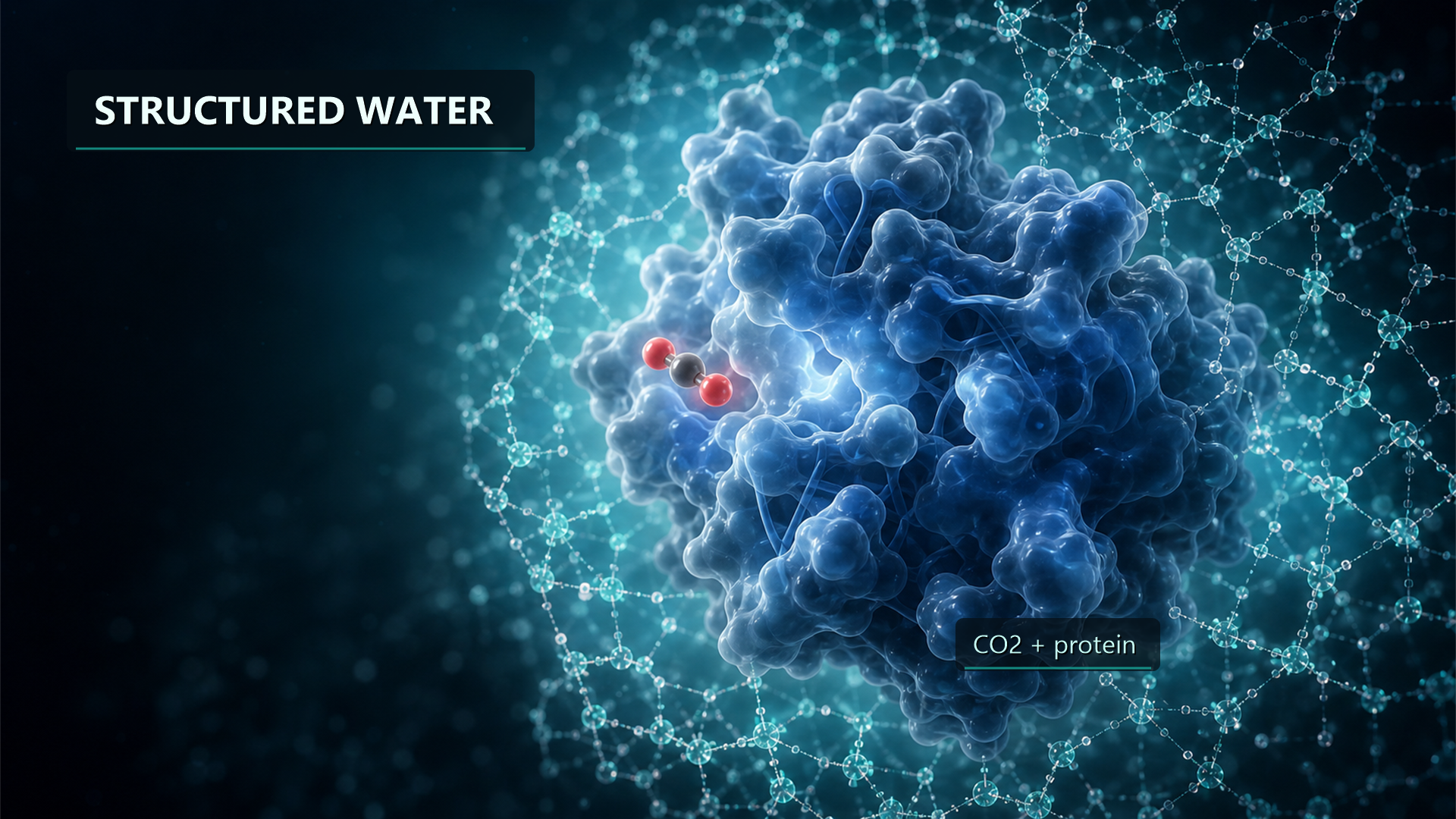
The third level is the protein itself. In The Carbonated Body, I go into how carbon dioxide binds gently to proteins and helps preserve their shape, along with the delicate layer of structured water that forms around them. Structured water is still debated science, so I hold it lightly, but the principle underneath is solid. Proteins hold their shape because of the environment around them, and carbon dioxide helps shape that environment. There is even early research hinting that CO2 may signal the body to build new mitochondria, the same adaptation that exercise triggers.
Taking out the trash
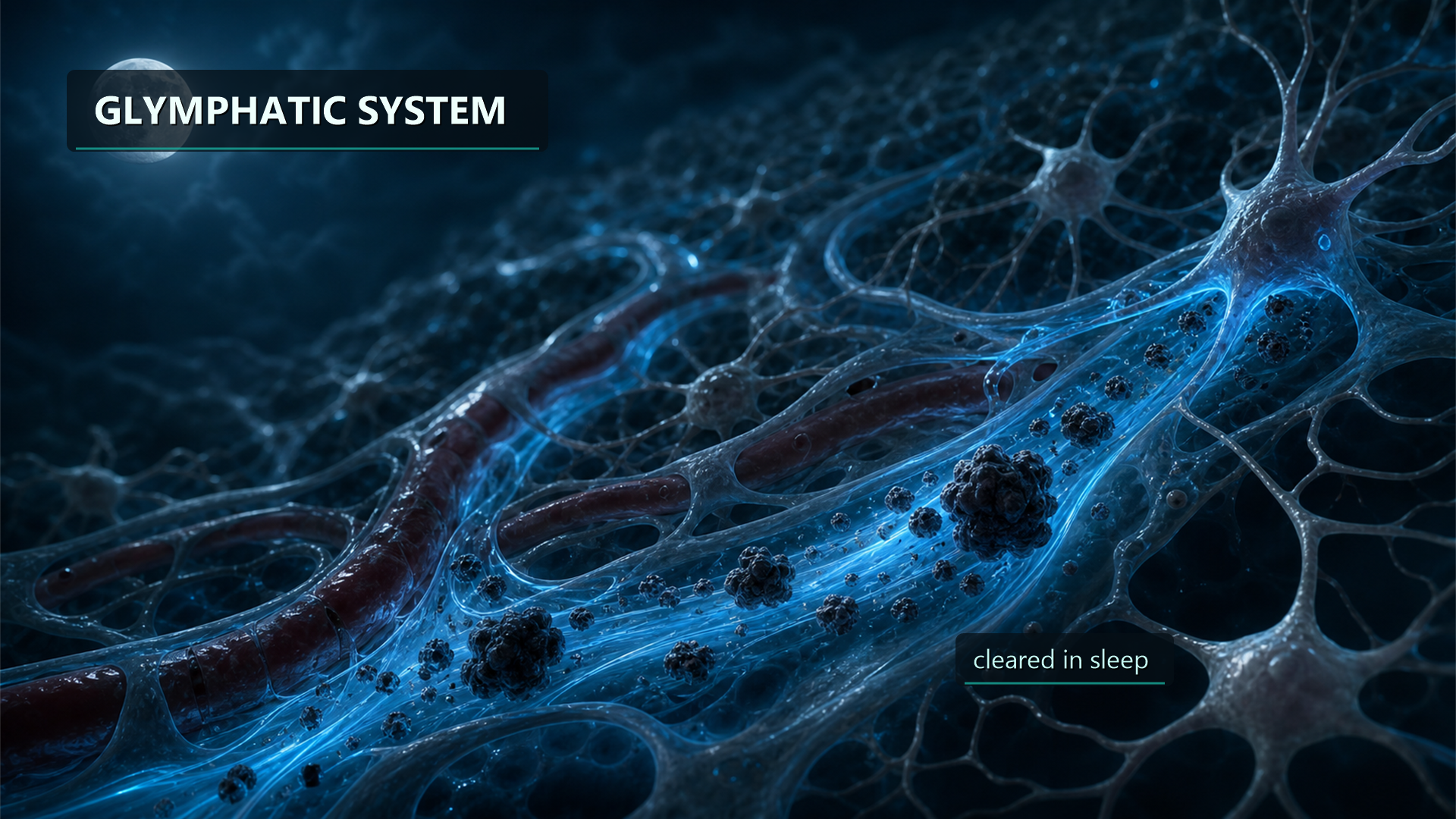
There is one more piece: cleanup. The brain has its own waste-removal system, called the glymphatic system, and it flushes out debris, including misfolded proteins, mostly while you sleep. It is driven by your breath and your blood flow. When breathing becomes shallow and chronic and the CO2 chemistry gets thrown off, that flushing slows down, and the waste that should be cleared away lingers. In a terrain already struggling to keep its proteins folded, lingering waste is the last thing those neurons need.
What this means for the way we think
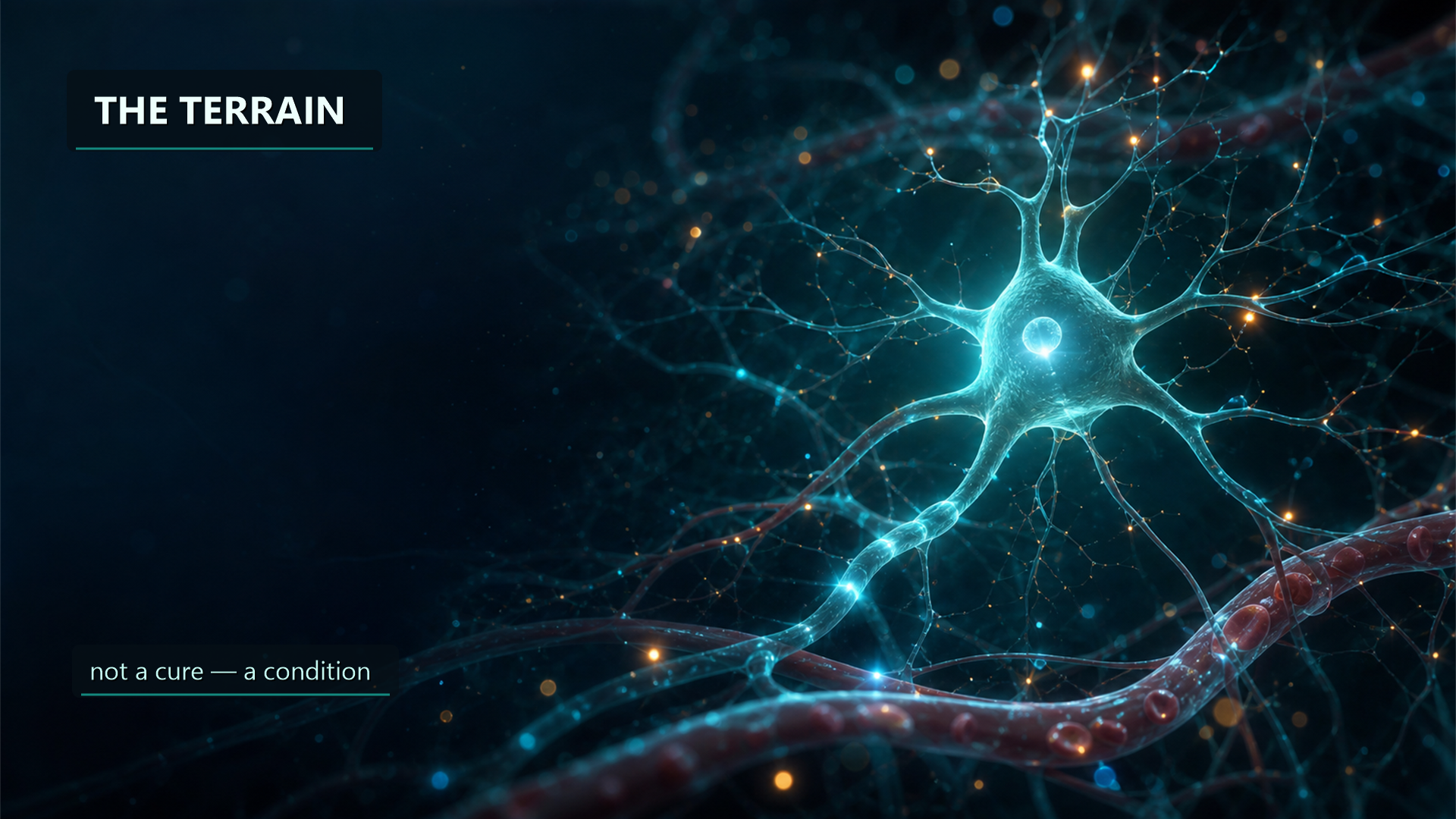
Notice which therapies seem to help the most with Parkinson’s: exercise, and certain metabolic approaches. They are not replacing dopamine at all. They are changing the terrain. They improve blood flow, lower oxidative stress, support the mitochondria, and help the brain clear its own waste. They work upstream, on the conditions, not on the last symptom in the chain.
That is the shift worth keeping. CO2 does not compete with medicine, exercise, sleep, or nutrition. It is not a magic replacement for any of them. It is one of the quiet coordinators that decides whether the good things you already do can actually reach the cell and do their work.
Dopamine is the last domino to fall, not the first. The dopamine neuron does not die in isolation. It dies inside an environment of failing energy, rising oxidative stress, and collapsing flow. So maybe the most important question in Parkinson’s is not which molecule failed. Maybe it is this: what happened to the environment that let all of those molecules work together in the first place? Ask that question, and you are no longer only treating a disease. You are tending a terrain, the terrain in which healthy neurons were always meant to live.
Learn more in The Carbonated Body and at CO2VIDEOS.com.