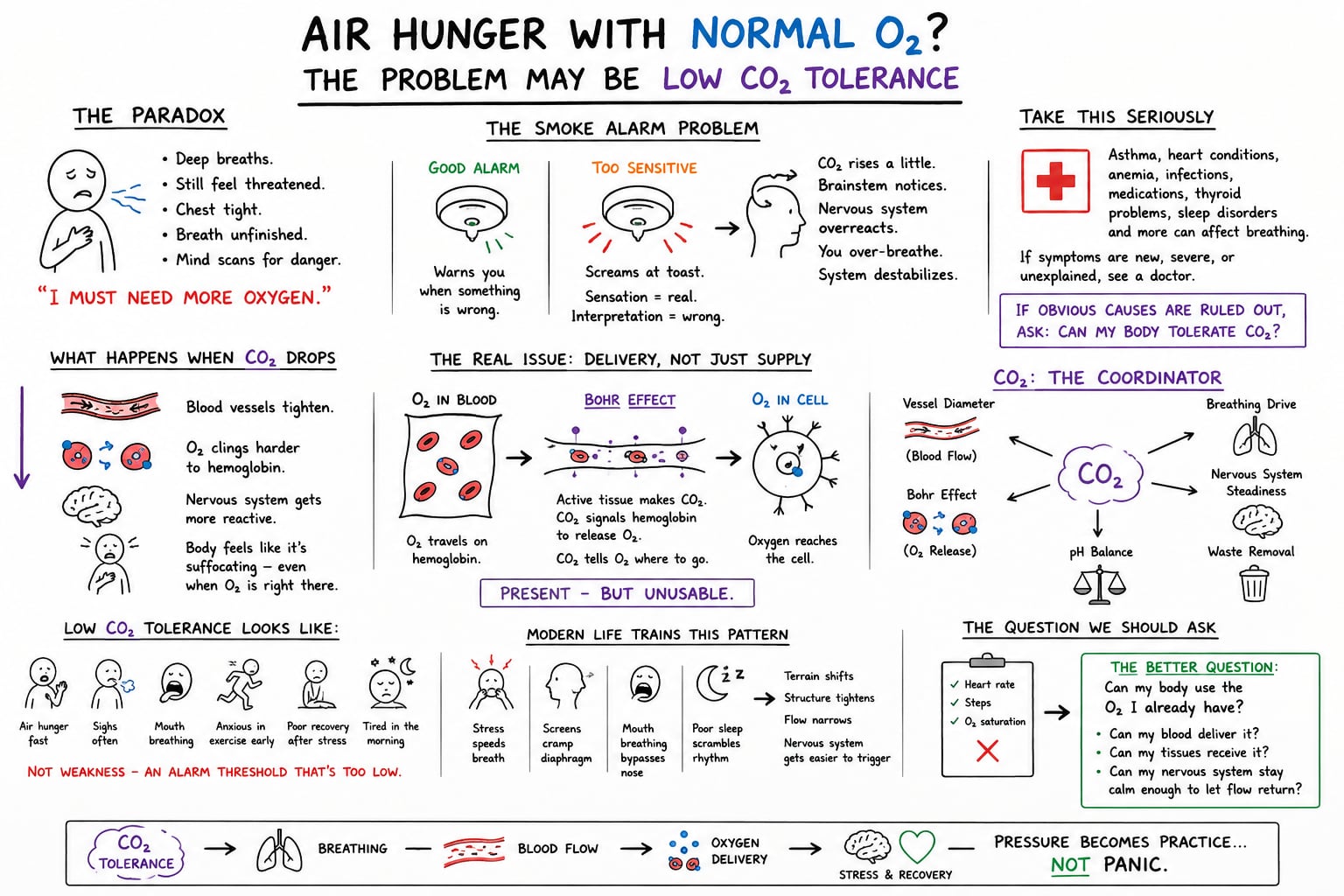
You can have completely normal oxygen levels, a pulse oximeter reading in the high nineties, and still feel like you cannot get a satisfying breath. That feeling has a name: air hunger. Very often, the problem is not low oxygen at all. It is a low tolerance to carbon dioxide.
Why breathing more can backfire
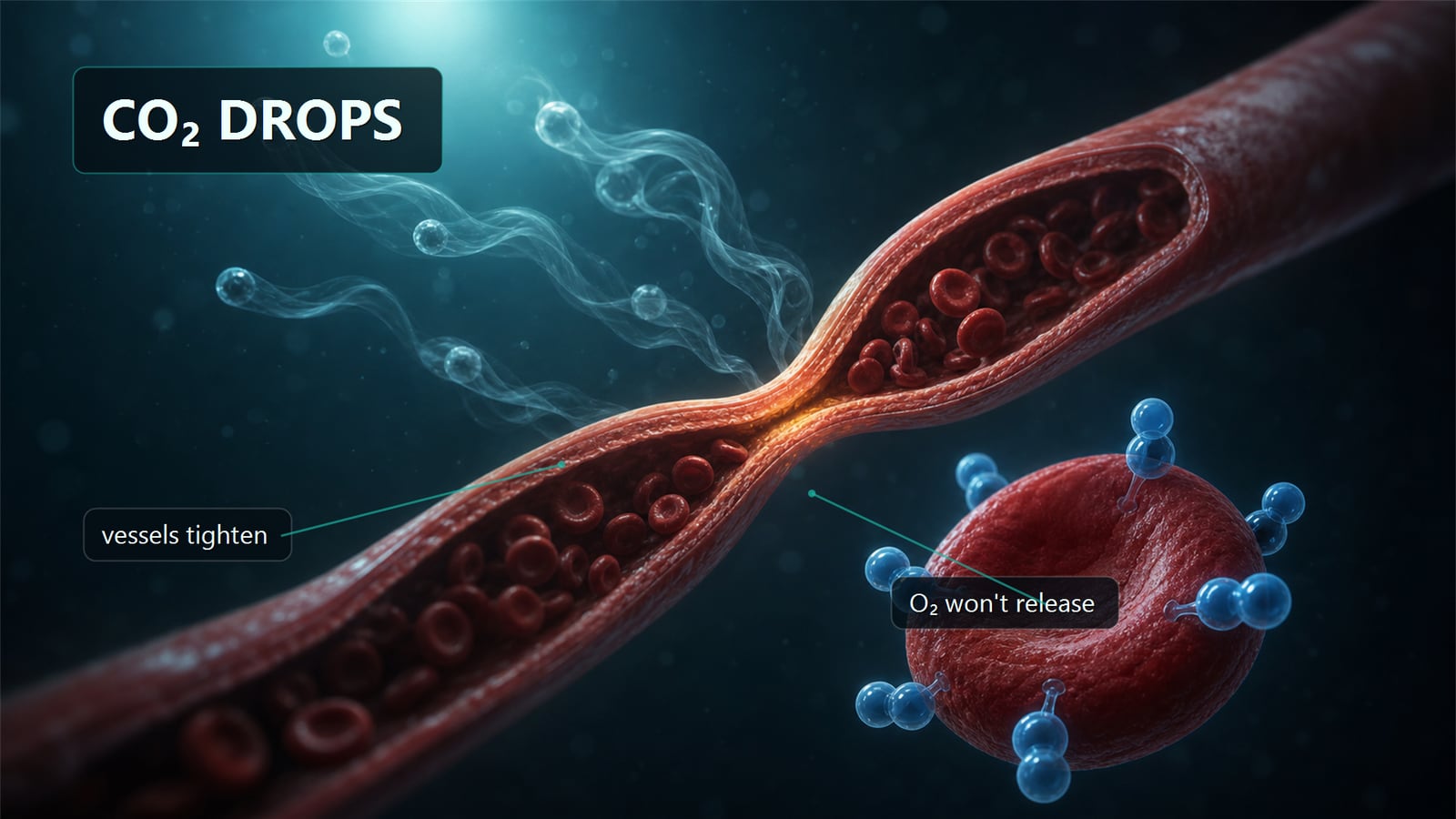
Breathing more does not always mean oxygen is being delivered better. Sometimes breathing more simply drops your carbon dioxide too low. And when carbon dioxide falls, blood vessels tighten, oxygen clings harder to hemoglobin, and the nervous system gets more reactive. The body can feel like it is suffocating even when oxygen is right there.
First, a serious note. Air hunger can have many causes, including asthma, heart or lung conditions, anemia, infections, medications, thyroid problems, sleep disorders, and anxiety. If your breathlessness is new, severe, or unexplained, that needs proper medical attention, and nothing here is a diagnosis or a treatment. But if you have addressed the obvious causes and your body still overreacts to every breath, there is another question worth asking. Can your body actually tolerate carbon dioxide?
The oversensitive smoke alarm
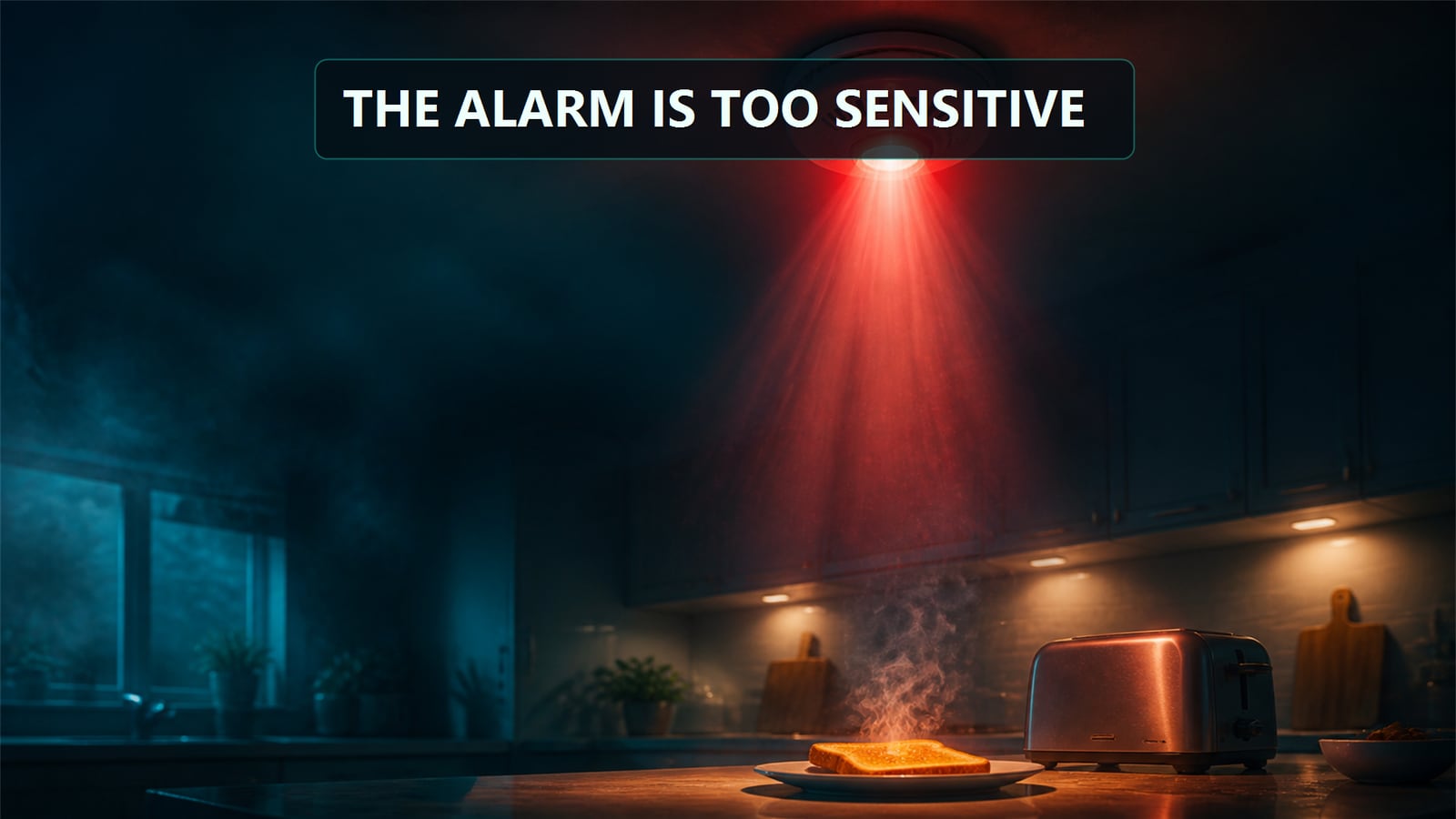
CO2 tolerance is not about how long you can force yourself to hold your breath. It is your body's ability to stay calm and oxygenated as carbon dioxide rises, to feel internal pressure without instantly reading that pressure as danger. Think of it like a smoke alarm. A good alarm warns you when something is actually wrong. But if it gets too sensitive, it screams every time you make toast. The alarm is real. The sensation is real. The interpretation is wrong.
That is what low CO2 tolerance does. Carbon dioxide rises a little, which is normal. Your brainstem notices, which is also normal. But a touchy nervous system reacts as if something is wrong, so you breathe faster, blow off even more carbon dioxide, and the whole system gets less stable.
Supply is not delivery
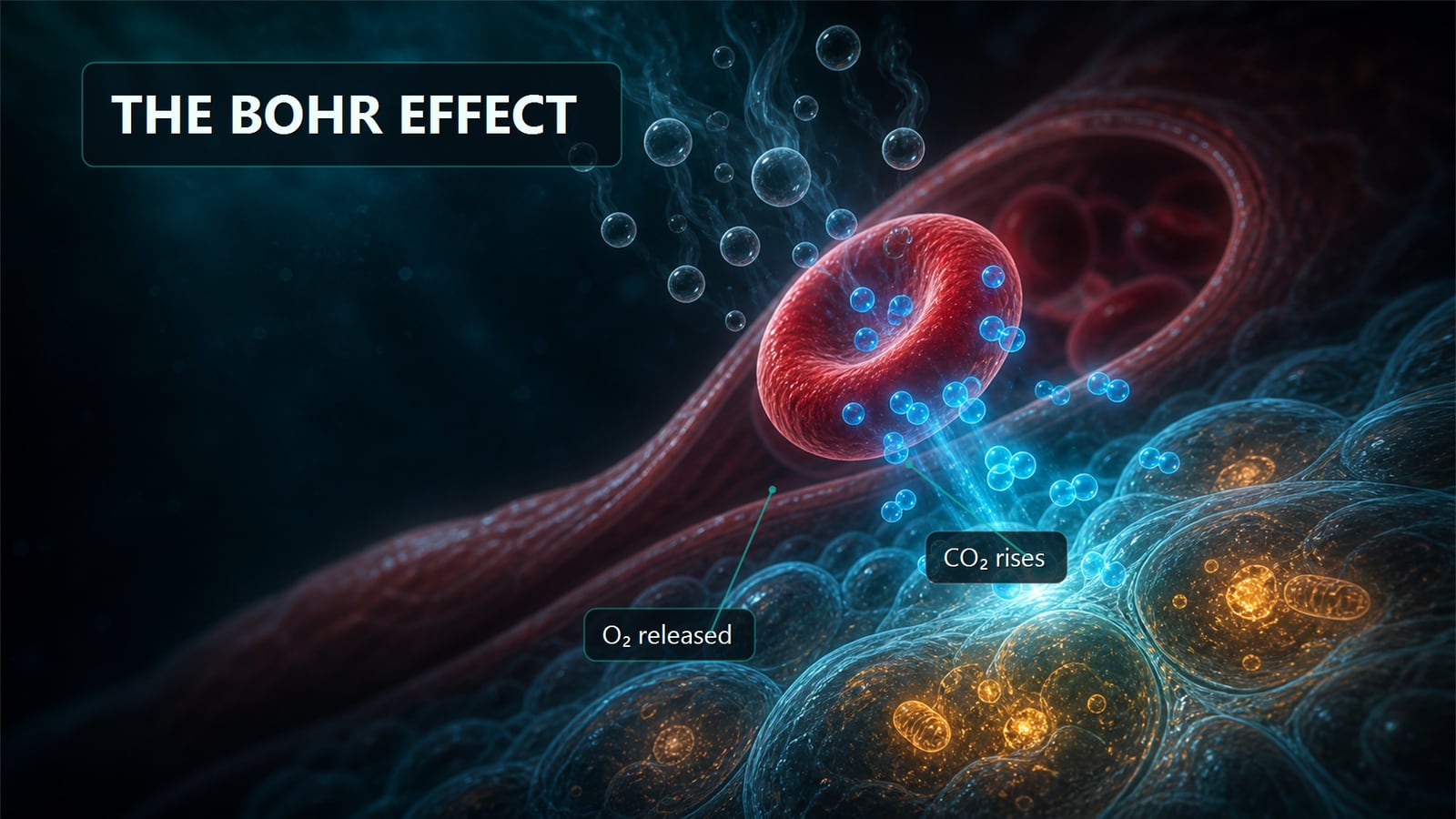
Having oxygen in your blood is not the same as delivering oxygen to a cell. Oxygen rides through the bloodstream attached to hemoglobin, but at some point it has to let go, cross into the tissue, and reach the cell. And the main signal that tells hemoglobin to release its oxygen is carbon dioxide.
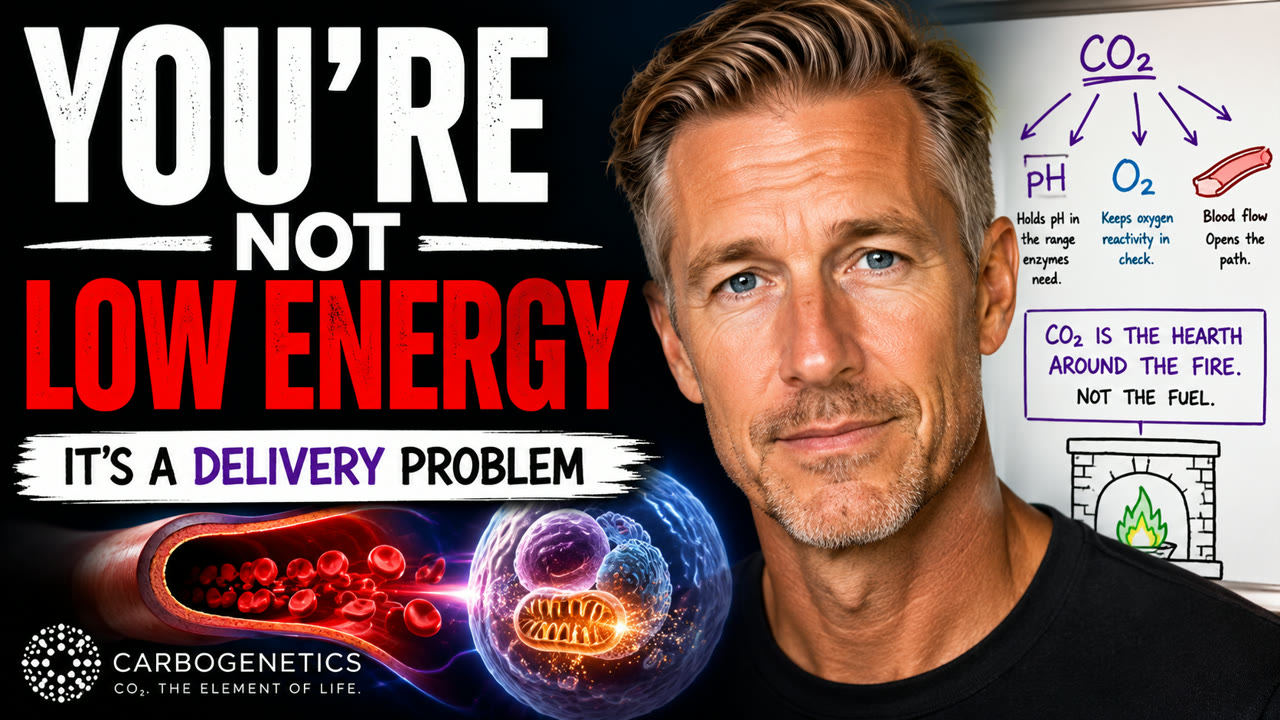
There is a name for this: the Bohr effect. When tissue is active, it produces more carbon dioxide, and that local rise changes the chemistry around hemoglobin so oxygen unloads exactly where demand is highest. In plain language, carbon dioxide tells oxygen where to go. So when CO2 runs too low, oxygen delivery gets less efficient. Not because oxygen is missing, but because it will not let go. Present, but unusable. Oxygen saturation is supply. Oxygen delivery is the real question.

Carbon dioxide is a control system, not just waste
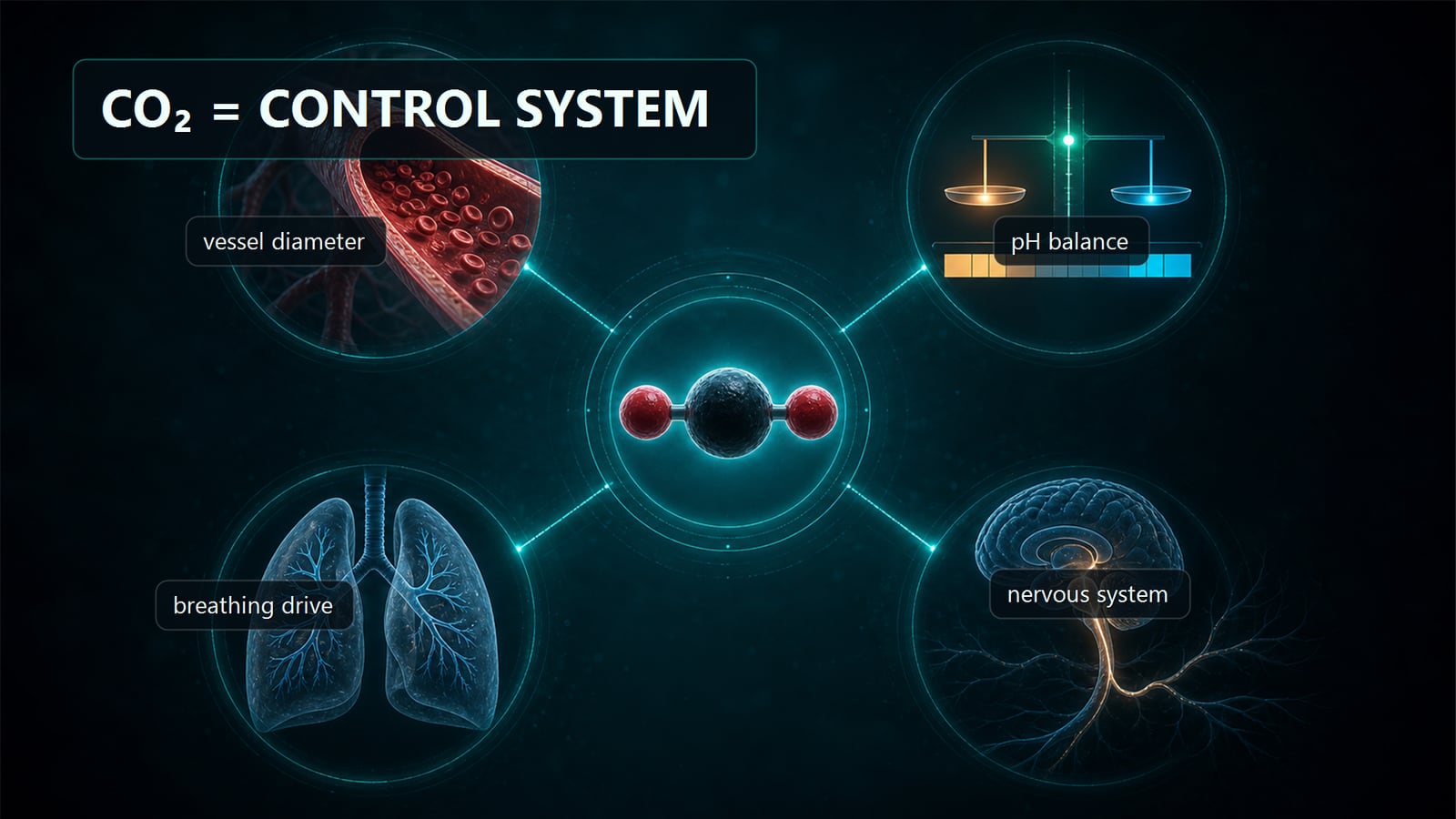
Carbon dioxide was never just exhaust. It is a signal. It helps set the diameter of your blood vessels, hold your pH steady, shape your drive to breathe, and steady the nervous system, and it helps oxygen reach the places that need it. This is why CO2 tolerance matters so much. It quietly ties breathing, blood flow, oxygen delivery, stress, and recovery into one picture. CO2 is not the fuel. It is part of the control system.
What low tolerance costs you
You may recognize the pattern. A person with low CO2 tolerance feels air hunger fast. They sigh often. They breathe through the mouth without noticing. They feel anxious during exercise long before the muscles are tired. They struggle to recover after stress, and wake up tired because their breathing was unstable all night. Not because they are weak, but because the alarm threshold has drifted too low.
And modern life trains that pattern constantly. Stress speeds the breath. Screens pull the head forward and cramp the diaphragm. Mouth breathing bypasses the nose. Poor sleep scrambles the rhythm. Over time, the body loses its comfort with carbon dioxide. The terrain shifts, the structure tightens, the flow narrows, and the nervous system gets easier and easier to trigger.

The better question
We measure heart rate. We measure steps. We measure oxygen saturation. But we rarely ask whether the body can stay coherent when carbon dioxide rises. So the real question is not only, am I getting enough oxygen? The better question is this: Can my body use the oxygen I already have? Can my blood deliver it? Can my nervous system stay calm enough to let flow return?
Your problem may not be low oxygen at all. It may be that your body has lost tolerance for the very signal that helps oxygen go where it is needed. And when that signal becomes safe again, breath changes, flow changes, recovery changes. The body stops fighting its own chemistry, and pressure becomes practice, not panic.

Learn more in The Carbonated Body.