The Hidden Circulation Problem Most People Never Notice
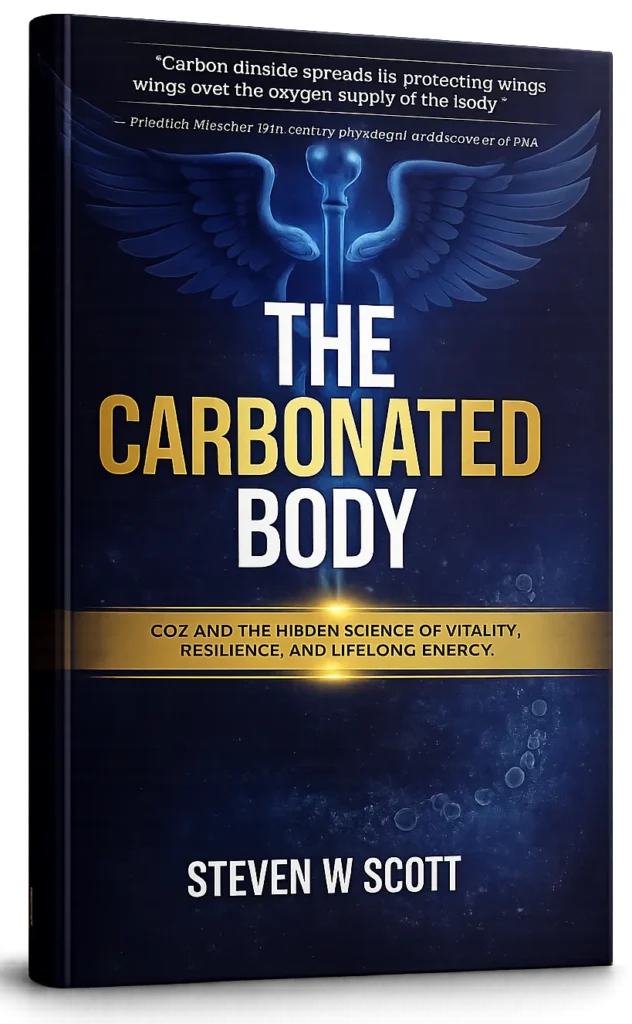
The Hidden Circulation Problem Most People Never Notice Most people think circulation is simply about blood moving through the body. But true circulation is about whether oxygen, nutrients, immune signals, and repair mechanisms can actually reach living tissue. Oxygen in the bloodstream does not automatically mean oxygen inside cells. The most critical part of circulation happens in the capillaries — tiny vessels where oxygen and nutrients diffuse into tissue and cellular energy production is supported. When microcirculation becomes impaired: oxygen delivery decreases, cellular metabolism slows, waste removal weakens, and tissues begin to experience stress. Over time, poor microcirculation may contribute to fatigue, inflammation, brain fog, poor recovery, and reduced cellular function. This is why circulation has often been called the river of life. Because life is not sustained by blood merely moving but by cells receiving what they need to survive. Where the Real Problem Begins The most important part of circulation does not happen in the large arteries. It happens in the capillaries, the microscopic vessels where oxygen and nutrient exchange occur. These tiny pathways connect blood flow directly to tissue cells. When capillaries remain open and responsive, tissues receive what they need to produce energy and repair damage. But under chronic stress, inflammation, and metabolic strain, these vessels can begin to tighten or disappear altogether. Flow slows down. Exchange becomes less effective. Over time, tissues can begin functioning in a low energy state even when blood oxygen levels appear normal. 🩸 Silent Tissue Hypoxia One of the most overlooked problems in human health is poor oxygen delivery at the tissue level. This condition is sometimes called silent tissue hypoxia — where oxygen may still be present in the bloodstream, yet cells are not receiving it efficiently. The problem is not always the amount of oxygen available. Sometimes the issue is impaired circulation and microvascular flow. When capillary blood flow becomes restricted: oxygen diffusion decreases, nutrient delivery weakens, waste removal slows, and cellular energy production declines. Over time, this may contribute to: • Fatigue • Brain fog • Slow healing • Cold hands and feet • Reduced recovery capacity • Lower cellular performance A person can have normal oxygen saturation and still experience poor tissue oxygenation if microcirculation is compromised. Because health is not determined only by how much oxygen is carried in the blood — but by whether oxygen can effectively reach and support living cells. Why Carbon Dioxide Matters Carbon dioxide is usually treated as nothing more than a waste gas, but it plays an important role in vascular regulation. One of its major functions is helping small blood vessels relax and remain open. When carbon dioxide levels rise appropriately in tissues, circulation tends to improve and oxygen is released more effectively where it is needed. This creates an environment that better supports repair and recovery. Healthy circulation depends on movement, responsiveness, and exchange. Carbon dioxide helps maintain those conditions. Restoring Flow Changes the Environment When circulation improves, tissues receive more oxygen and nutrients while waste products are removed more efficiently. This changes the environment inside the body. Repair processes become easier to support because tissues are no longer operating in a stagnant state. Healing is not only chemistry. It is also circulation. Conclusion The body depends on healthy circulation at every level. The smallest vessels often determine whether tissues receive the oxygen and resources necessary for energy, repair, and recovery. Understanding circulation differently changes the way we think about health itself. It is not simply about how much oxygen exists in the blood. It is about whether life can effectively flow through the tissues that need it most. Learn more at THECARBONATEDBODY.COM
The Hidden Circulation Problem Most People Never Notice Read More »