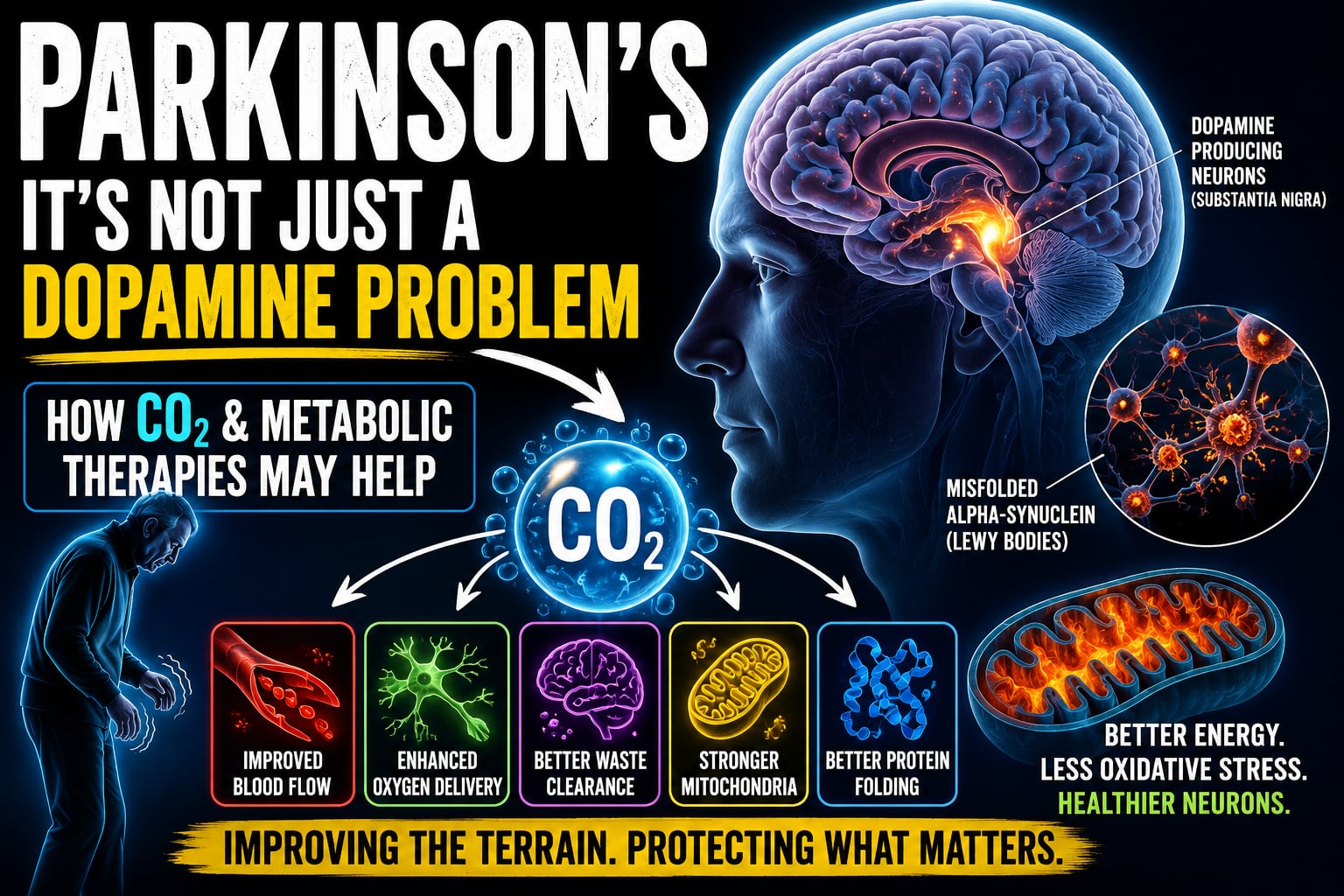
A recent study moved amyloid out of the brain using nothing but a gas. I think it demonstrated half of what carbon dioxide can do.
The assumption worth questioning
For years the Alzheimer's conversation has been organized around a single idea. There is too much amyloid and tau in the brain, so the goal is to get it out.
That is not a foolish idea. Amyloid and tau are not simply innocent debris. Once they accumulate they can damage tissue, amplify inflammation, and make clearance even harder. Removing them is a real therapeutic target.
But it leaves a question sitting unasked. Why did the brain stop clearing them in the first place?
What the study actually did
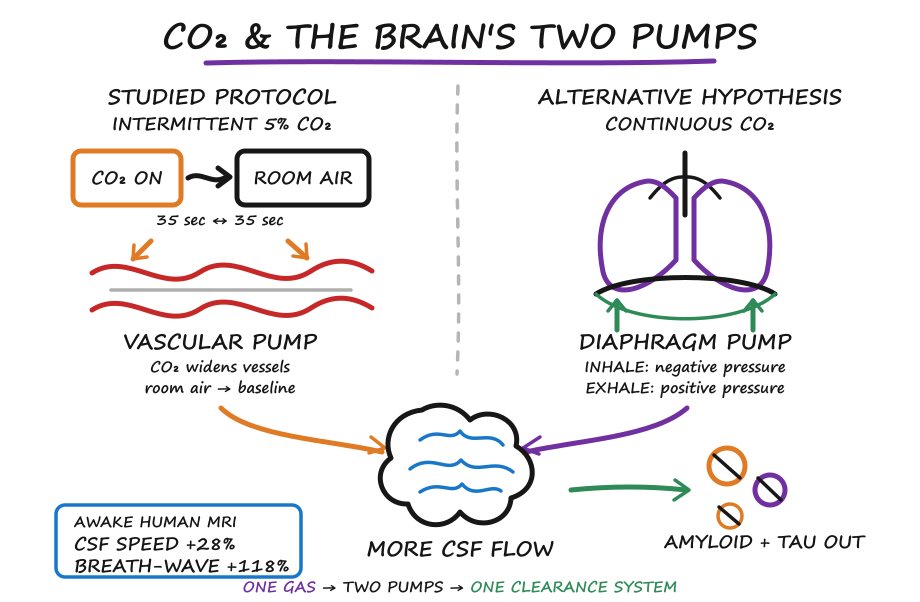
Researchers at the University of New Mexico and the Veterans Affairs health system had participants breathe a medical gas containing 5% carbon dioxide for 35 seconds, then room air for 35 seconds. They repeated that cycle across three sessions lasting about ten minutes each.
When carbon dioxide rose, the brain's blood vessels opened. When participants returned to room air, those vessels moved back toward baseline. Open, return. Open, return. That rhythm created a vascular pump.
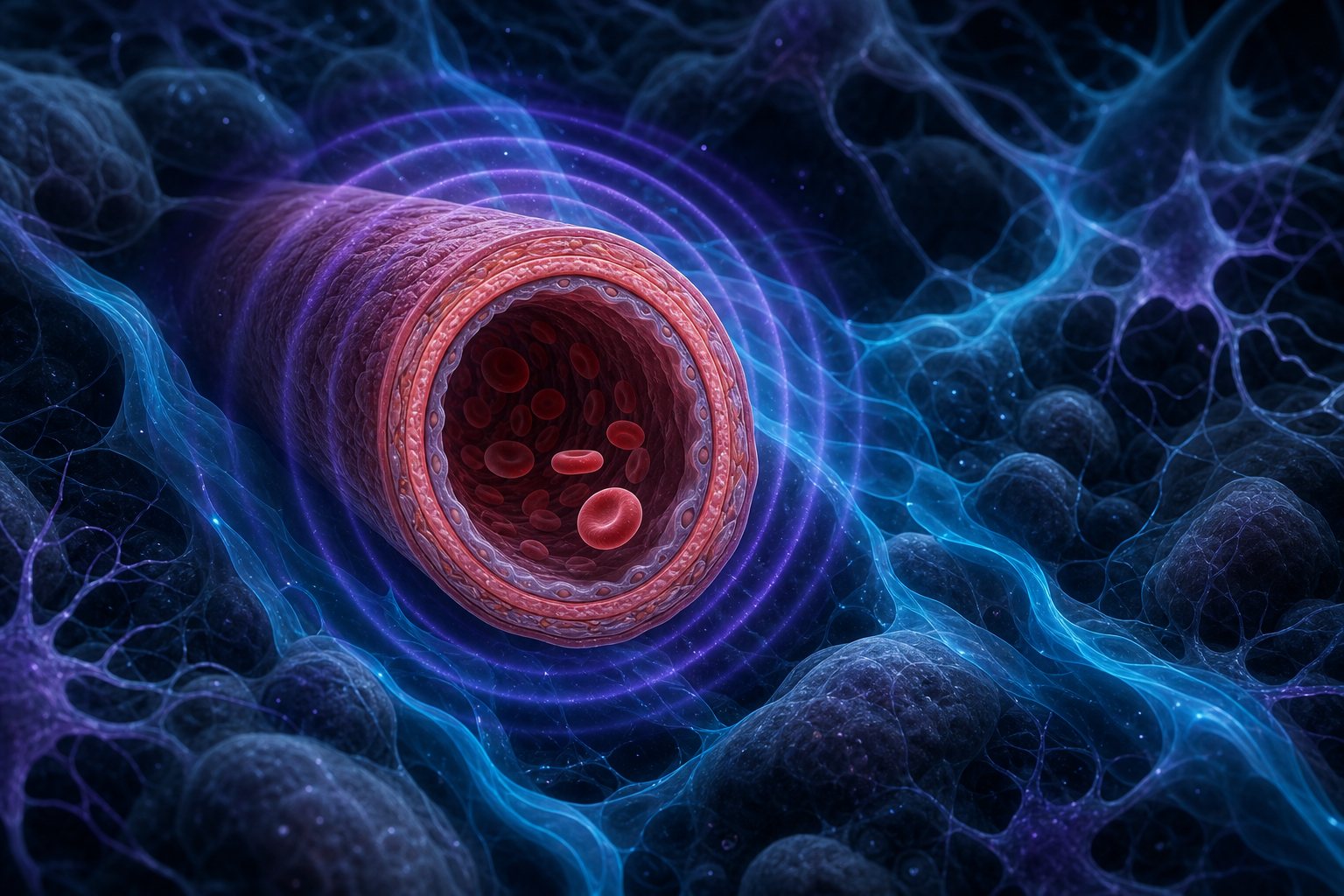
MRI showed that the vascular movement was tightly coupled to cerebrospinal fluid entering the brain. Blood tests then showed temporary increases in amyloid beta and other brain-derived proteins, which is consistent with waste moving out of the brain and into the bloodstream for disposal.
Let me be precise about what that does and does not prove. The participants were people with Parkinson's disease and healthy older adults, not a group of Alzheimer's patients. The protein-clearance portion included only 10 people. The researchers did not image plaques disappearing. They did not demonstrate improved memory or slower disease progression.
This was evidence of a clearance mechanism. It was not proof of an Alzheimer's treatment or a cure.
It is still remarkable. Someone switched on a brain-clearance mechanism in an awake human being, using a gas.
The system being switched on
The brain has a waste-removal system called the glymphatic system. Cerebrospinal fluid moves through the spaces around the brain's blood vessels, mixes with the fluid surrounding brain cells, and carries metabolic waste toward the exits. The system becomes especially active during deep sleep.

Most explanations of how that fluid moves focus on the arteries. As an artery expands and contracts, that movement helps push fluid through the surrounding space. That is the pump the study deliberately activated.
But cerebrospinal fluid is not moved by the arteries alone.
The pump that was not in the protocol
Breathing moves it too.
The diaphragm is a large, dome-shaped muscle beneath the lungs. When you inhale deeply, the diaphragm drops and pressure inside the chest falls. That creates suction. When you exhale, the pressure reverses. That creates a push. Suction, then push.
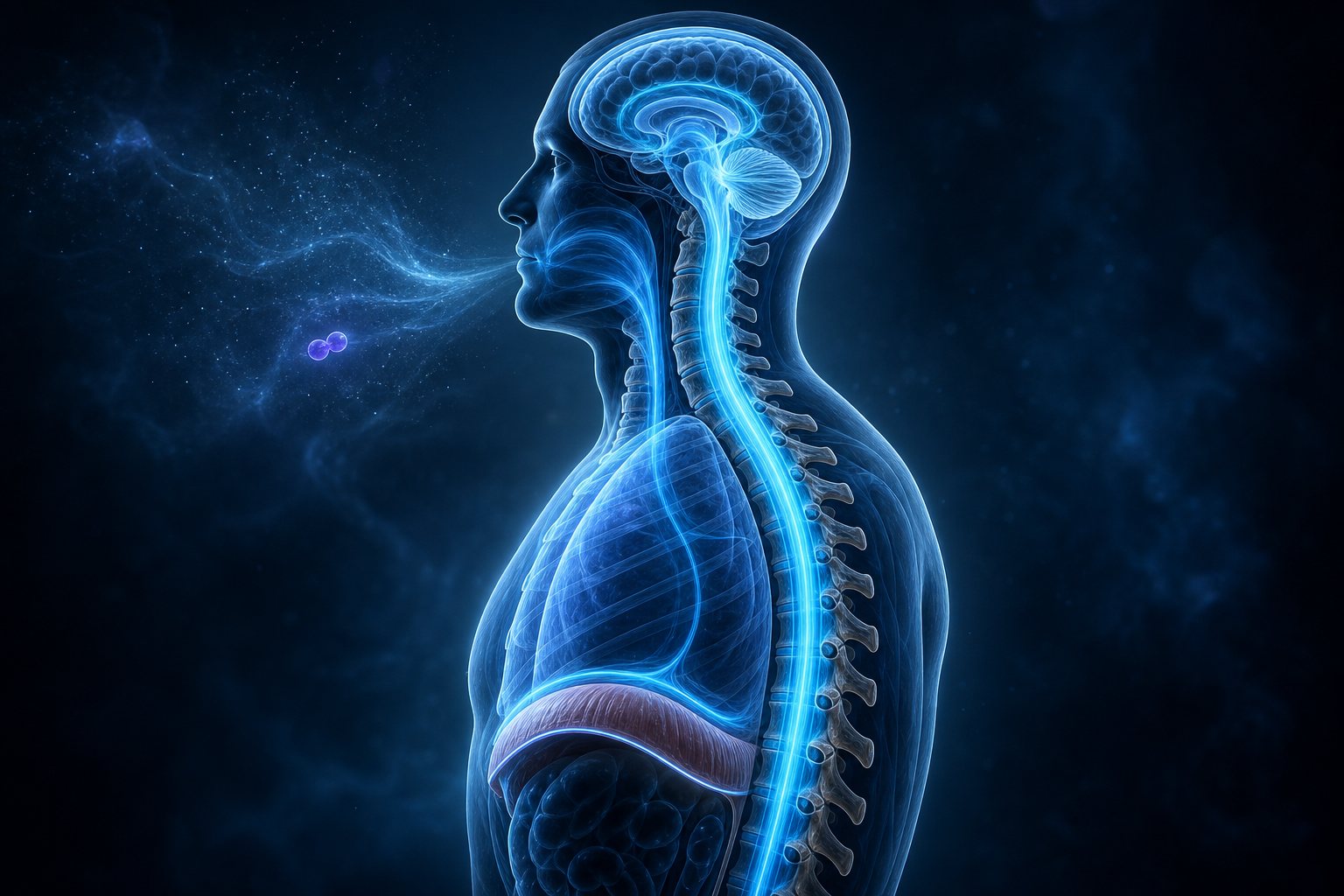
That pressure wave moves venous blood back toward the heart. It drives lymph through the thoracic duct. And it pulls cerebrospinal fluid upward from the spinal canal and sends it through the brain.
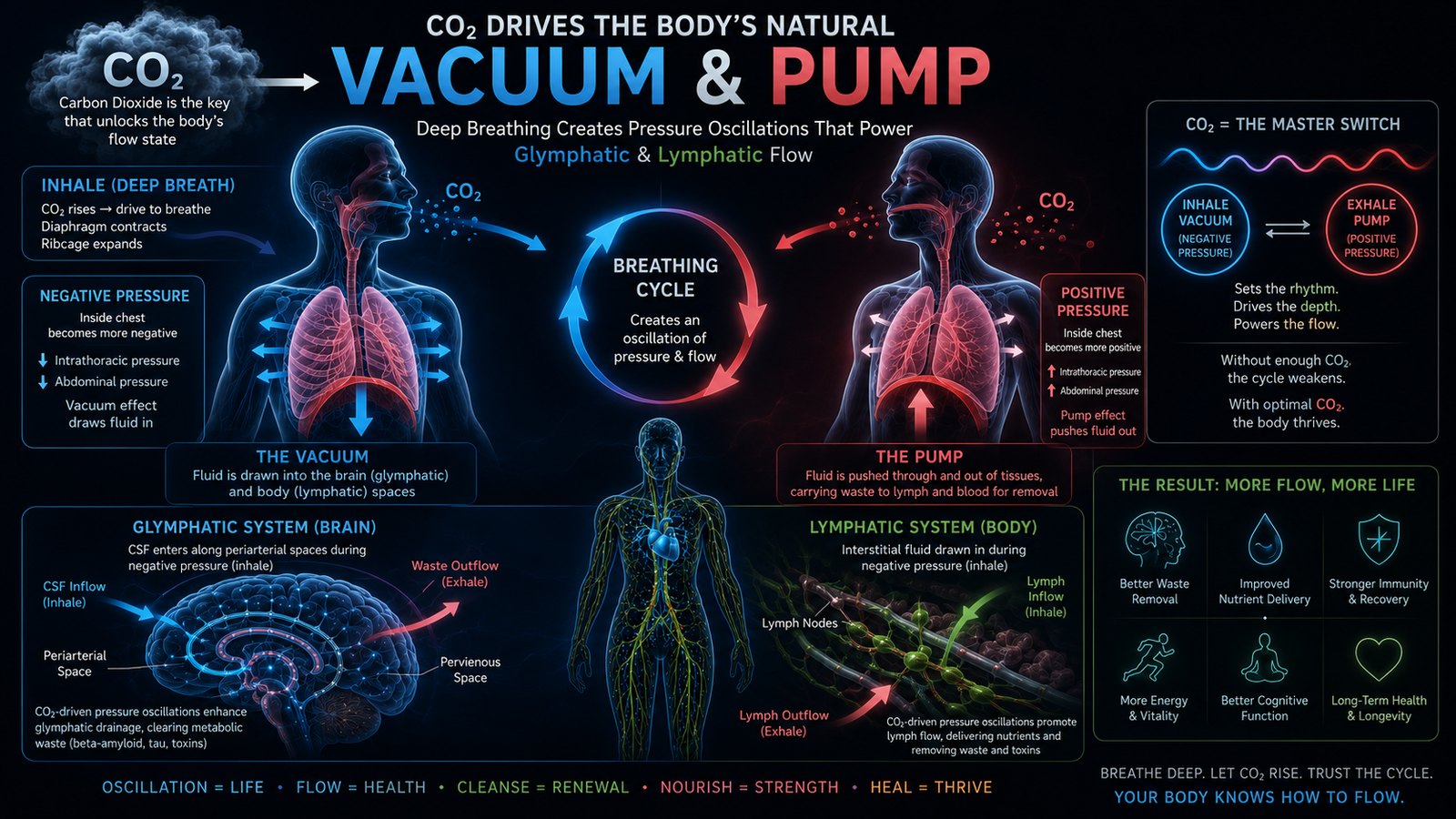
This is not a minor effect. In an awake human MRI study, deep abdominal breathing increased the upward speed of cerebrospinal fluid by 28%.
The researchers measured something else as well. Imagine water moving through a channel in a series of waves. One measurement tells you how fast the water travels. That is the 28%. The other tells you how strongly the water surges in rhythm with each breath. That breathing-driven surge increased by 118%. It more than doubled.
During deep abdominal breathing, respiration became comparable to the heartbeat as a driver of cerebrospinal fluid motion. Other awake-human MRI studies found the same basic pattern, and also showed cerebrospinal fluid becoming synchronized with venous flow.
The breath is a pump.
The alternative hypothesis
The New Mexico team used intermittent carbon dioxide to create an artificial rhythm in the blood vessels. But a continuous therapeutic level of carbon dioxide creates another kind of rhythm, by stimulating the drive to breathe.
As carbon dioxide rises, the brainstem signals the diaphragm to work more deeply and powerfully. Every breath then produces a larger swing between negative and positive pressure. That means continuous carbon dioxide may drive glymphatic flow through the diaphragm, even without repeatedly switching the gas on and off.
The intermittent protocol emphasizes the arterial pump. Continuous carbon dioxide may emphasize the diaphragmatic pump. And deep carbon dioxide breathing may engage both.
That is not speculation pulled from thin air. Every link in that chain is supported independently. We know carbon dioxide stimulates respiratory drive. We know deeper diaphragmatic breathing produces larger thoracic pressure oscillations. We know those oscillations move venous blood and lymph. And awake-human MRI shows that they dramatically increase cerebrospinal fluid motion.
What has not yet been performed is the final experiment, connecting continuous CO2-enhanced breathing directly to amyloid and tau clearance. That missing experiment does not invalidate the mechanism. It identifies the next study that needs to be done.
About the mouse objection
Some researchers have raised a concern about continuous carbon dioxide. They cite an animal experiment in which sustained hypercapnia reduced glymphatic transport.
Look closely at that experiment. Those mice were anesthetized. In the controlled hypercapnia condition they were intubated, mechanically ventilated, and chemically paralyzed. They could not respond to carbon dioxide by breathing more deeply. Their diaphragmatic pump had effectively been removed from the experiment. They were also given 5% carbon dioxide mixed with 95% oxygen, which is very different from an awake person breathing a therapeutic CO2 mixture and responding with natural respiratory movement.
That study tells us something useful about sustained vascular dilation. It does not answer the question I am asking. What happens when an awake human being breathes carbon dioxide deeply enough to turn the diaphragm into a powerful fluid pump?
Upstream of the plaques
Here is the deeper reason this matters.
Proteins do not begin misfolding for no reason. Cells require energy to fold proteins, repair them, and dispose of damaged ones. They require stable chemistry, good circulation, restorative sleep, and functioning mitochondria. When that terrain fails, more proteins misfold and fewer proteins are removed. Then the waste further damages the terrain. It becomes a vicious cycle.

This is the distinction that runs through everything I write. Having a clearance system is not the same as that system actually moving. Supply is not delivery. The glymphatic system can be anatomically intact and still barely running, because what drives it is pressure, rhythm and flow, and those depend on the terrain underneath.
Carbon dioxide may intervene on both sides of that cycle. It can support waste movement through the vascular and diaphragmatic pumps. It can open cerebral vessels and improve microcirculation. And through the Bohr Effect, it helps hemoglobin release oxygen into the tissue that needs it most.
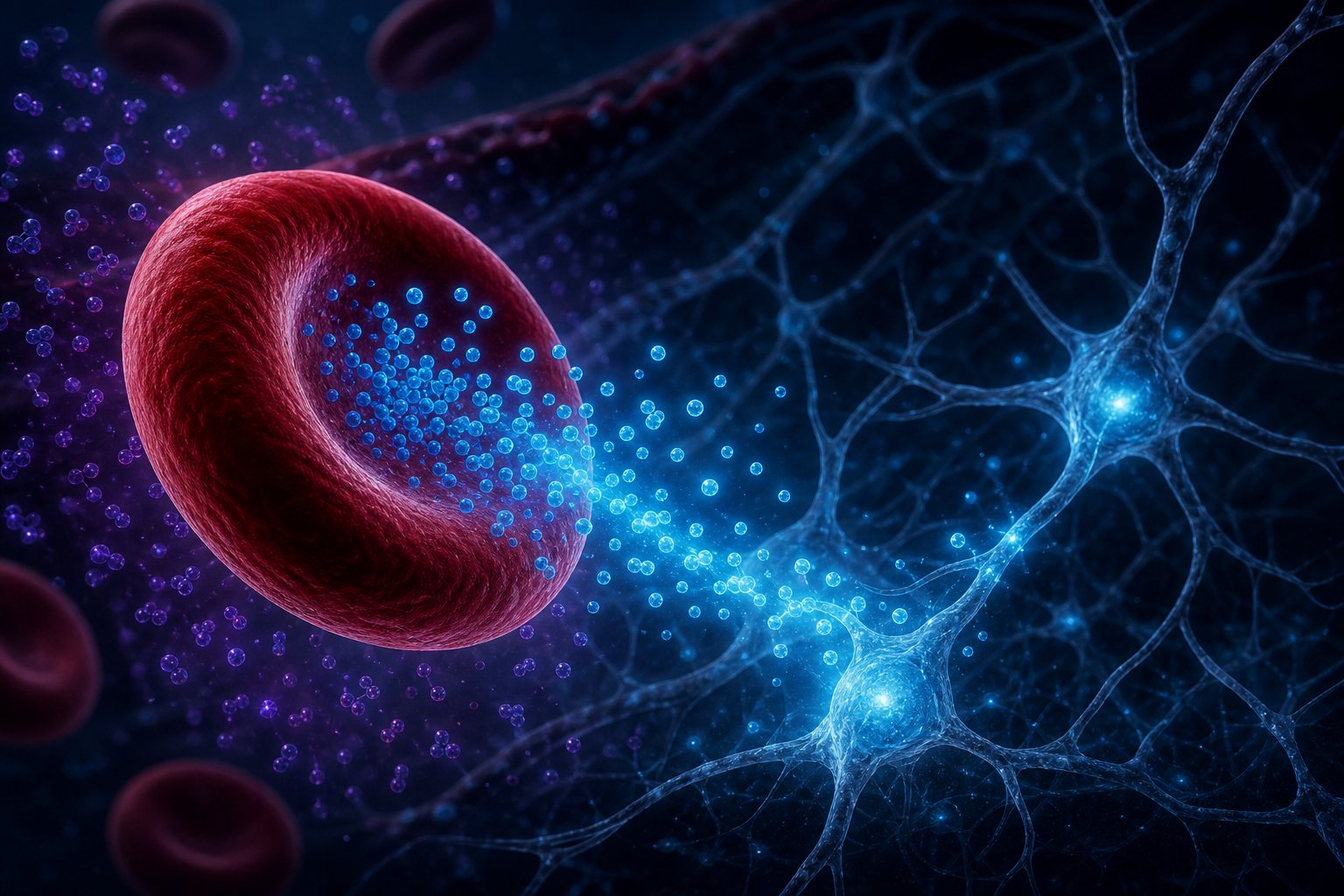
CO2 is not the fuel. It is the coordinator of flow.
What responsible looks like
None of this means anyone should improvise with concentrated gas, bags, tanks, masks, or enclosed spaces. 5% carbon dioxide is a powerful physiological stimulus. Concentration, oxygen balance, individual health, equipment, and monitoring all matter.
The responsible conclusion is not to copy an experimental protocol. It is to test the complete mechanism. Compare intermittent carbon dioxide with continuous carbon dioxide. Measure breathing depth and diaphragmatic movement. Measure the vascular pulse and the respiratory pulse separately. Then measure which protocol moves the most cerebrospinal fluid and clears the most brain-derived waste.
The broader principle
The recent study showed that carbon dioxide can switch on a brain-clearance mechanism while a person is awake. That alone is a major discovery. But it should not narrow our thinking to one timing pattern, or one pump.
The arteries move the fluid. The diaphragm moves the fluid. Carbon dioxide influences both. The study proved the first pathway can work, and the existing physiology gives us a strong reason to believe the second pathway can work too.
It is worth noticing what that second pump is. It is the one you operate yourself, every time you breathe deeply. The most powerful protocol may ultimately be the one that brings both pumps into rhythm.
Learn more in The Carbonated Body and at CO2VIDEOS.com.